
Helping HandsNigeria
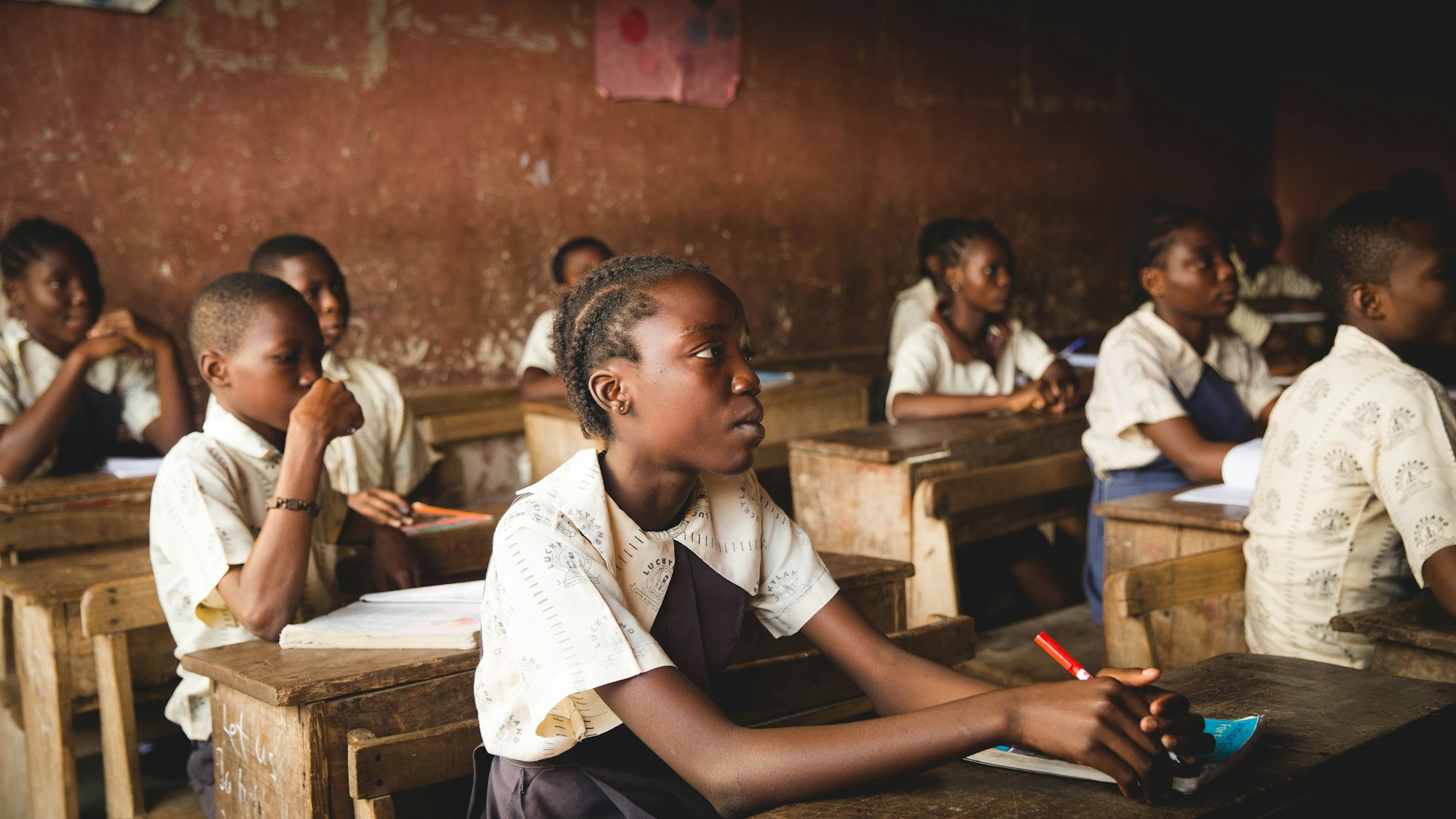
Schoolchildren in uniform sitting at wooden desks in a Nigerian classroom

A Nigerian non-profit · Est. 2024

A future where
no Nigerian child
is held back
by poverty.

We walk with children and young people in Plateau and Kaduna States, where poverty and displacement have closed the door on school, work, and safety. Education, skills, and steady care open it again.

94,353

school-age children in displacement-affected communities across Plateau and Kaduna.

CAC Registered (Nigeria)

Plateau & Kaduna, Middle Belt

Children and youth

Educational Support

Skill Acquisition

Mindset & Wellbeing

Middle Belt Crisis Response

Community Collaboration

Policy Advocacy

01 The ground

The numbers behind
every empty desk.

Every figure on this site carries a source and a date. Several of the most-quoted numbers about Nigeria are disputed, and we say so in our strategy.

63%

of Nigerians were living below the national poverty line in 2025

World Bank, Nigeria Poverty and Equity Brief, October 2026 (estimate)

10.2M

primary-school-age children out of school across Nigeria

UNICEF, Nigerian Child 2025 Report

151,970

people displaced within Plateau and Kaduna States

IOM Displacement Tracking Matrix, Round 19, January 2026

80%

of displacement-affected Plateau communities name school costs as a reason children are not in class

IOM Displacement Tracking Matrix, Round 19, January 2026

02 Our focus

Schools exist.
Money does not.

Plateau is shaped by recurring armed attacks on rural communities. Kaduna is shaped by banditry and kidnapping. Displaced families in both are absorbed into other people’s homes rather than camps, which is why most humanitarian assistance never reaches them.

The International Organization for Migration asks every displacement-affected community why its children are not in school.

Fees or costs80% / 64%
Lack of parental or caregiver support49% / 38%
Lack of school supplies52% / 61%
Children working in the fields33% / 44%
Fear of violence0.5% / 2.5%

Share of displacement-affected locations naming each barrier, Plateau then Kaduna. IOM Displacement Tracking Matrix, Round 19, data collected January 2026.

Plateau State

44,390

people displaced, living in 151 locations

44,390 displaced people live in 151 locations across 15 of 17 local government areas, and another 19,598 people have returned to 37 communities. Only five of the displacement sites are camps. Amnesty International recorded 2,630 people killed and 167 rural communities attacked in Plateau in the two years to May 2025.

Where we start: Bokkos, then Barkin Ladi and Riyom

Kaduna State

107,580

people displaced, living in 309 locations

107,580 displaced people live in 309 locations across 22 of 23 local government areas, and not one formal camp among them. Another 61,157 people have returned to 99 communities. SBM Intelligence counted 134 kidnapping incidents in Kaduna in the year to June 2026, the fourth highest of any state.

Where we go next: Chikun, then Kajuru and Kaura

Why a small local organisation belongs here

Neither state appears among UNICEF’s eight priority states for 2026, and the United Nations response plan for Nigeria is built around the north east. Across all 596 displacement-affected communities assessed in Plateau and Kaduna, none reported a site management agency, and about eight in ten had none of the listed protection and support services in the past year.

03 Our mission

To empower young Nigerians to rise above poverty and create their own futures, through skill development, education, and mindset transformation.

Vision

A Nigeria where poverty is no longer a hindrance to the dreams and aspirations of any young person.

Who we serve

Children from primary school age and young people up to 24, living in poverty or displaced by conflict. Also the families hosting displaced relatives, and female-headed and child-headed households. Children sit inside our commitment, not beside it.

Where we work

Plateau and Kaduna States, in Nigeria’s Middle Belt. We begin in Bokkos, then Barkin Ladi and Riyom in Plateau, and Chikun, Kajuru and Kaura in Kaduna.

How we work

School costs, catch-up classes, market-matched skills training, psychosocial care, and community partnership, held together by selection criteria we publish in advance and outcomes we measure and report.

04 What we do

Six programs.
One outcome:
dignity and opportunity.

Each program addresses a different lever of poverty for children and young people, so the change lasts after we leave the room.

Middle Belt Crisis Response

Within thirty days of a displacement we deliver learning materials and dignity kits, support the host households absorbing displaced families, and repair damaged classrooms. A child’s schooling then breaks for weeks rather than years.

Educational Support

School levies, uniforms, books and materials for children who would otherwise drop out, plus nine-month catch-up classes for over-age children, aligned with the State Universal Basic Education Board so completers move into formal grades.

Skill Acquisition

Market-matched vocational training and apprenticeships for young people aged 15 to 24, ending in a recognised trade certificate, with tools and six months of coaching after graduation. Local demand decides which trades open.

Mindset & Wellbeing

Group activities for children, caregiver support groups, psychological first aid, resilience and financial literacy. Only about one in twenty displacement-affected communities in these two states has any psychosocial support at all.

Community Collaboration

Community coalitions choose where a learning centre opens, when classes run, and who facilitates. Partnerships with local businesses, state agencies and interfaith peace committees carry the rest.

Policy Advocacy

Engaging policymakers on education, child protection and social protection budgets, and on the recognition of host-community displacement in national planning, using evidence we collect ourselves.

05 Our story

From a label of “no future ambition” to a foundation that refuses that label for anyone.

Helping Hands was born out of a personal journey. Our founder, Joseph Tobias, grew up in Northern Nigeria amidst hunger, hopelessness, and abandonment, branded with the label of having “no future ambition.” What carried him out of that darkness was a deep faith, the power of education, and a community of friends and strangers who showed up with scholarships, encouragement, and hope.

Today, Helping Hands offers that same kind of support to young Nigerians the system has written off. We believe that with the right opportunities, resources, and community backing, every young person can overcome adversity and step into the fullness of who they were created to be.

JT

Joseph Tobias

Founder & Executive Director
06 How we work

An accountable,
whole-person approach.

We do not hand out aid and walk away. We walk alongside a child or a young person from first contact through learning, into work, into community.

01

Identify & enroll

Selection criteria are published before selection happens, and they describe circumstance rather than identity: out of school for twelve months, displaced since a stated date, child-headed household.

02

Equip & educate

School costs and catch-up classes for children. Vocational training, certification and tools for young people. Psychological first aid and group care running alongside both.

03

Connect to opportunity

We open doors with local employers, business owners, and partner organisations so the skill gained becomes income earned, and we measure that income at six and twelve months, never at graduation.

04

Measure & advocate

We report attrition and dropout alongside completion, and we name the assumptions that failed. Uniform success across every indicator is a signal in the wrong direction.

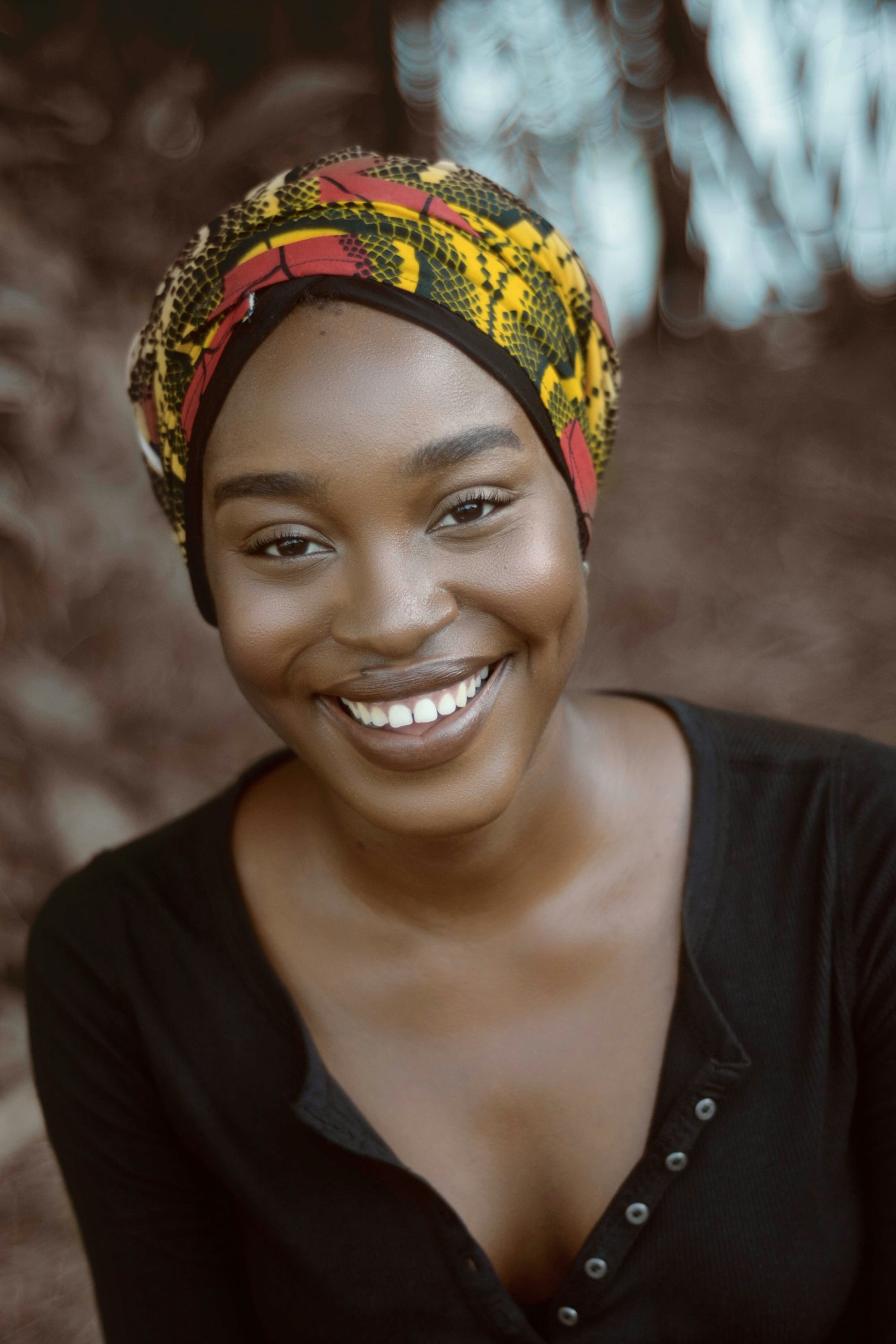
A smiling young woman wearing an Ankara head wrap

Get involved

You can rewrite
a young Nigerian’s
story.

Donate

₦5,000 buys a term of exercise books and pens. ₦60,000 carries one child through a full school year. ₦450,000 takes a young person through the full skills pathway, tools included.

Partner

Companies, foundations, and faith communities. Collaborate with us on training, internships, and grants that reach children and young people who need them.

Volunteer

Bring your time, trade, or expertise. Mentor a young person, lead a workshop, or help us run an outreach event.

Strategy 2027 to 2031

Read the strategy
playbook.

Our five-year plan for 2027 to 2031: what we intend to achieve, where, at what cost in naira and dollars, the standards we work to, and the conditions we set ourselves before each stage of growth. Every figure is sourced.

Strategy PlaybookGround to Stand OnHelping Hands Nigeria · 2027–2031

Contact

Let us build a future
without poverty,
together.

Write to us about partnership, volunteering, scholarship sponsorship, or to share a story. We respond personally.

Headquarters

Registered with CAC, Nigeria

Sending opens your email app with the message ready. We’ll never share your information.